For schools and academies
Complete school improvement software to plan, monitor and evaluate with confidence.
Explore SchooliP →
For multi-academy trusts
Complete trust-wide school improvement software to plan, monitor and evaluate performance with confidence.
Explore SchooliP →
For further education
Powering quality, compliance and curriculum excellence in colleges.
Explore CollegeiP →
As the summer term begins, it's a great opportunity to reflect on the progress made so far and ensure your improvement priorities remain on track. With schools and trusts continuing to balance day-to-day responsibilities alongside longer-term strategic goals, having clear, accessible evidence is key to making informed decisions.
This month, we're exploring how to turn monitoring into meaningful action, keep your School Development Plan active and responsive, and make the most of the latest enhancements in iP. Whether you're reviewing progress, supporting staff development or planning your next steps, we're here to help you get the most from your improvement journey.
We hope you enjoy this month's edition.
Learning walks, observations, audits and quality assurance activities generate valuable evidence - but their real value comes from the actions they inspire.
Rather than viewing monitoring as a standalone activity, consider how findings feed into wider school improvement. Are recurring themes informing CPD? Are strengths being shared across departments? Are priorities being updated based on evidence?
By connecting monitoring with development planning and professional learning, schools can ensure improvement activity remains purposeful and measurable.
Effective CPD is not a fixed programme delivered once at the start of the year it should evolve in response to staff needs, school priorities, and the ongoing evidence of impact in classrooms.
As the academic year progresses, it’s important to regularly step back and review whether professional development activity is still aligned with what is actually needed. What was identified as a priority in September may have shifted as new challenges, strengths, and gaps have emerged through monitoring, appraisal conversations, and day-to-day practice.
A strong CPD strategy is shaped by multiple sources of evidence, including:
Classroom observations and learning walks
Staff feedback and reflection
Appraisal objectives and review conversations
School development plan priorities
Pupil outcomes and progress data
When these sources are brought together, CPD becomes more targeted and meaningful, focusing on the areas that will have the greatest impact on both staff development and pupil outcomes.
It is also important to move beyond participation as a measure of success. Attendance alone does not tell the full story; impact matters more. Schools benefit from considering whether CPD is changing practice, improving confidence, and contributing to wider improvement priorities.
By treating CPD as a responsive and evolving process, rather than a fixed plan, leaders can ensure professional learning remains relevant, focused, and closely connected to real needs across the organisation.

Stay up to date with the latest improvements to iP. This month, we've introduced a range of enhancements designed to make managing school improvement, professional development, and reporting even more efficient.
MIS Settings: You can now choose whether job title data is imported from Role or Employee Details, and optionally enable automatic archiving of departments no longer linked to staff.
Staff Reviews: Reviews can now be accessed directly from the Staff Management page, allowing users to quickly start a new review or open an existing one from a staff profile.
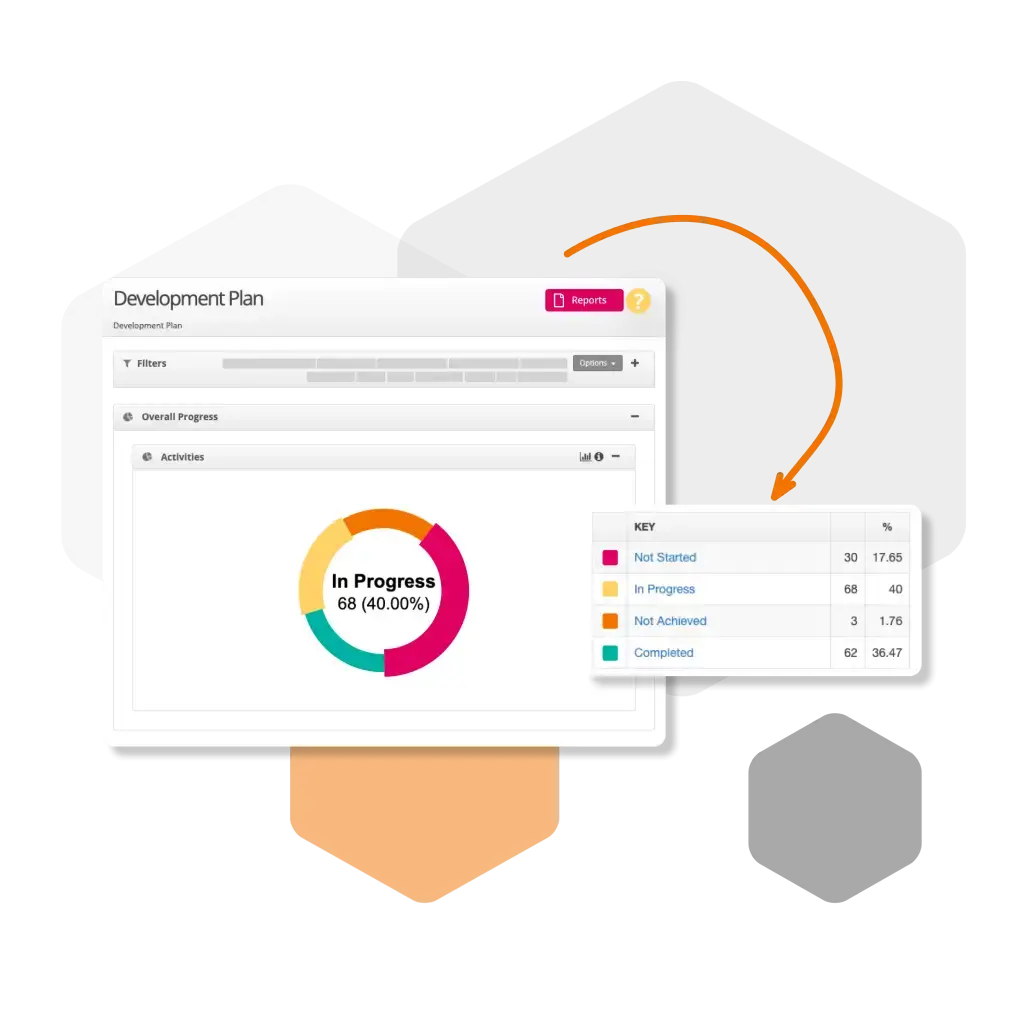
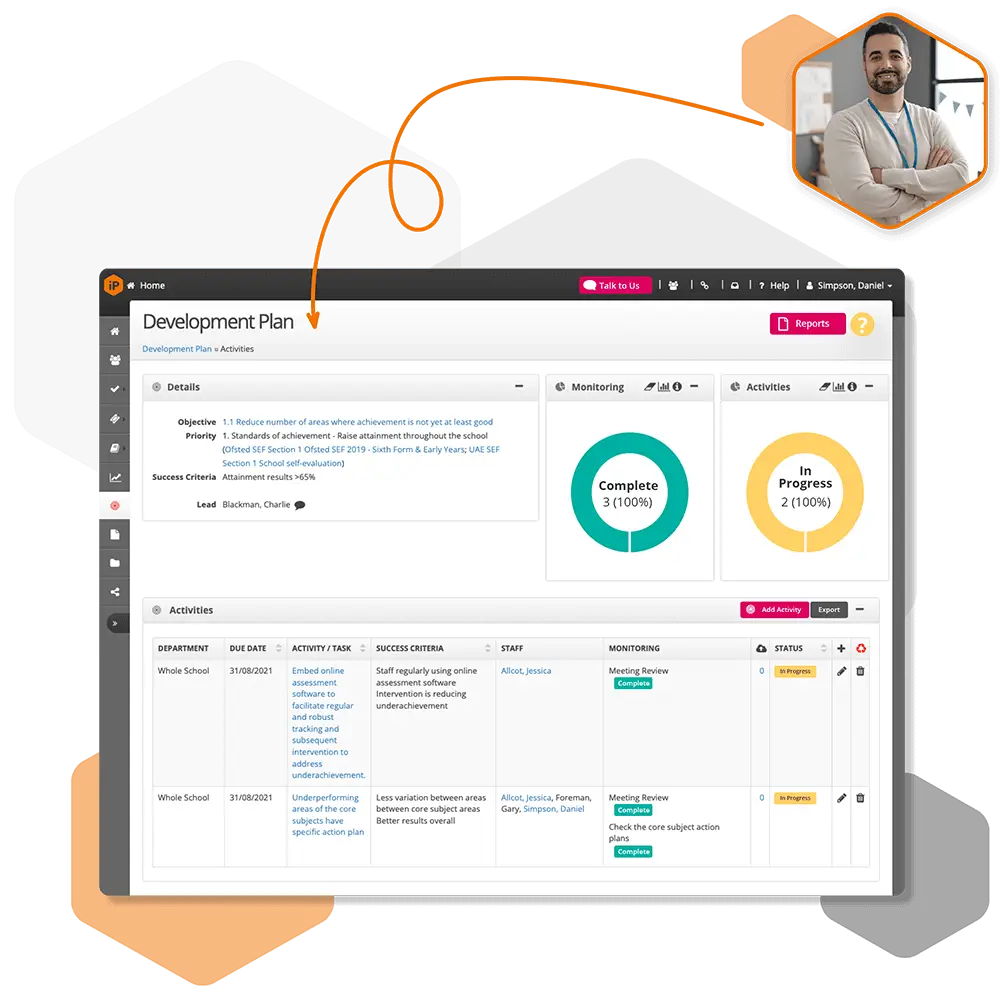
Development Plan: Staff are now automatically assigned to activities they create, and activities can be opened in a new tab using Ctrl + click for easier navigation.
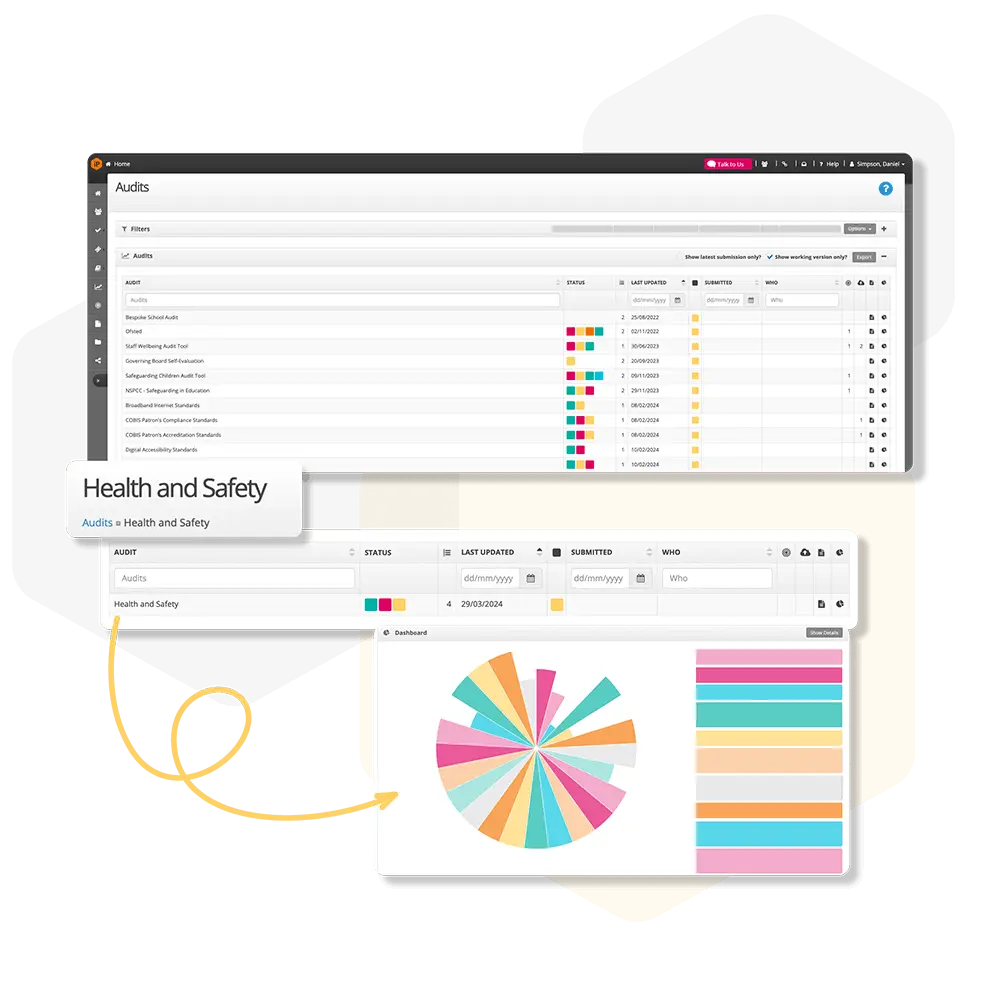
Monitoring Forms: A new setting allows you to require at least one Area for Development before submission, ensuring more complete and actionable monitoring records.
CPD: A new filter makes it easier to identify unrated CPD courses, supporting more consistent evaluation and tracking.
SEF: New display controls allow SEF questions to show grading colour bars, providing a clearer visual representation of ratings where grading is enabled.
As the term progresses, we'll continue sharing practical guidance, product updates and ideas to help you make the most of iP.
Keep an eye out for our next newsletter, where we'll explore more ways to support effective school improvement, professional development and evidence-informed decision-making.


If you are enjoying iP…
Refer an organisation today for money off your licensing fee. Simply send us your contact to info@derventioeducation.com.
If our team successfully signs you up, we’ll apply the credit to your next renewal.
If you would like more information on this, get in touch with our referral team
We're proud to share that SchooliP has been voted the number one tool in its category by EdTech Impact! Thank you to everyone who shared their feedback. If you'd like to leave us a review, you can do so by clicking here.